

Dairy Farming and the environment
The purpose of this unit is to increase students' understanding around how management practices are being carried out on dairy farms and the cost and benefits of dairy farming.
These are lessons and resources that you can choose from and integrate into your teaching.
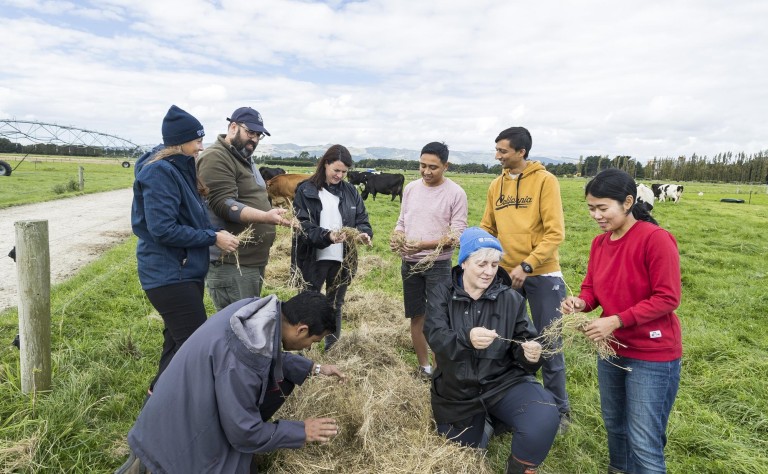
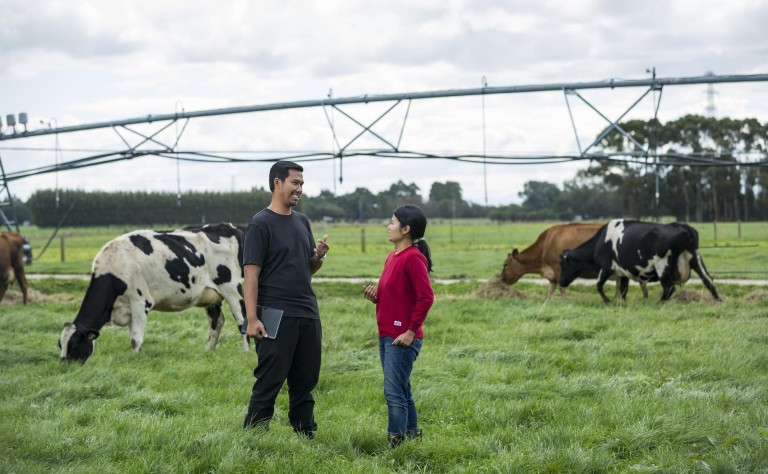
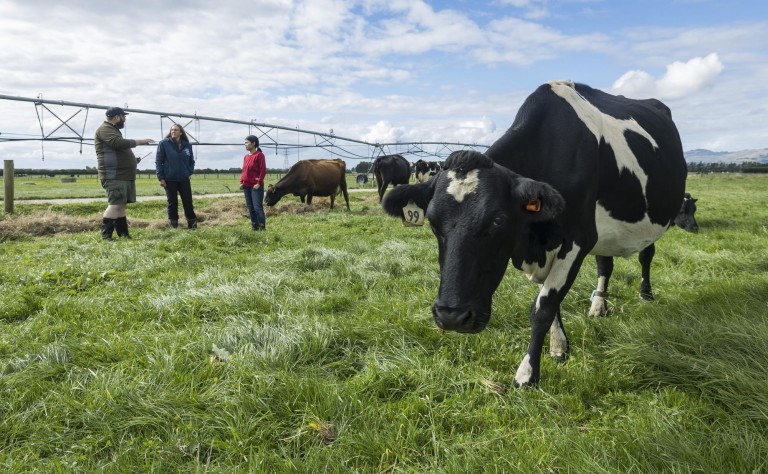
It is recommended that a farm visit is organised so students can use a specific case study to see which management practices are being carried out on farm in their region. Dairy farm systems can vary throughout the country due to size, soils, feed and location. This can determine management practices and can have a significant impact on the environmental outcomes. Refer to ‘Field Trips’ below for more detail.
Lincoln University has multiple farms used for research and demonstrating best practice. Some of the findings of that research has been integrated into the resources.
These resources have been designed on the basis that students have had limited interaction or knowledge of dairy farming.
It is good to gain an idea of which students have a rural background and seek input from them around how they do things on their farm. Sometimes students will help on-farm but don’t understand the science and reasoning behind why or how management practices are carried out. Different farms have different ways of doing things so there can be variation within farms and regions.
In these resources we have tried to provide a broad overview of the industry.
Lincoln University does host a series of Dairy Farming Workshops that run over 1-2 weeks on one of their farms near Lincoln (Christchurch) and at Owl Farm in the Waikato, located between Hamilton and Cambridge.
Check out our upcoming workshops
If planning your own field trip get in contact with DairyNZ and they should be able to provide you with a contact to a local farm. If you are after ideas of what to do on-farm contact the Lincoln University Farms Educational Facilitator (lauren.roberts@lincoln.ac.nz) who can provide suggestions. If you are wanting to discuss concepts or have any questions then contact Lauren via email and a catch via phone, skype or in person can be arranged.
It is also worth noting that at certain times of the year dairy farms may be too busy to host students or alternatively there may not be a lot happening on-farm to look at.
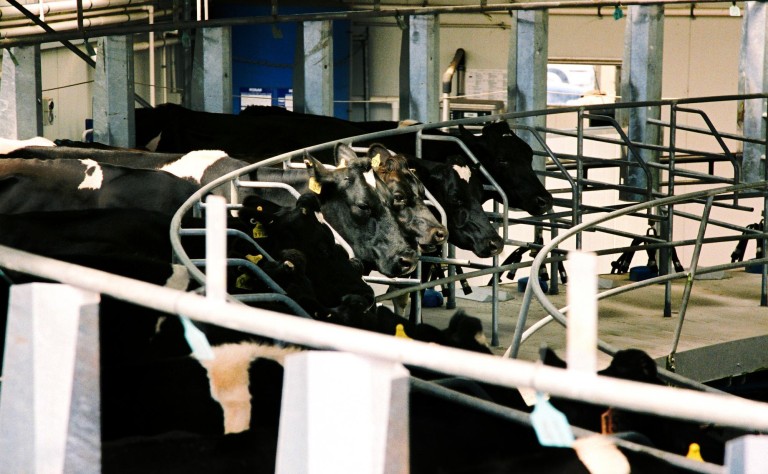
It is suggested that farms are visited in Term 1 as they tend to be milking cows but the calves are weaned, and farmers are not as busy. It is best if you avoid winter as most herds are not milking and the chance of wet weather is higher. In the South Island is also common to move the cows to another farm or feed block for wintering. Near the middle of Term 3 they are calving so it can be very busy on-farm. Also, very young calves are still developing their immune systems so biosecurity around who is coming on and off-farm is very important. The latter half of Term 3 can be a more appropriate time to visit as they could be nearing the end of calving, the calves are a bit older and they would be milking cows.
There are many careers in the land-based sector where agricultural students, science students and geographers can use their skills, although often they have different job titles.
The following web page provides brochures that outline different sectors, job titles, skills and salaries that aspiring geographers and agriculturalists could be interested in:
Need tailored support? Contact your regional Liaison Officer for personalised assistance and school visits.
It is important to acknowledge the following groups and organisations that have helped make these sets of resources possible.
- Lincoln University, Faculty of Agriculture and Life Sciences: for providing funding, resources and staff expertise for the creation of this unit.
- Lauren Roberts: Lincoln University Farms Educational Facilitator who was the lead designer of these resources, lessons and drawings.
- Anita Fleming: A Lincoln University PhD student who used her expertise to help design lessons for this unit.
- Joseph Zonneveld: A Lincoln University PhD student who used his expertise to help design the GIS lesson for this unit.
Available lessons

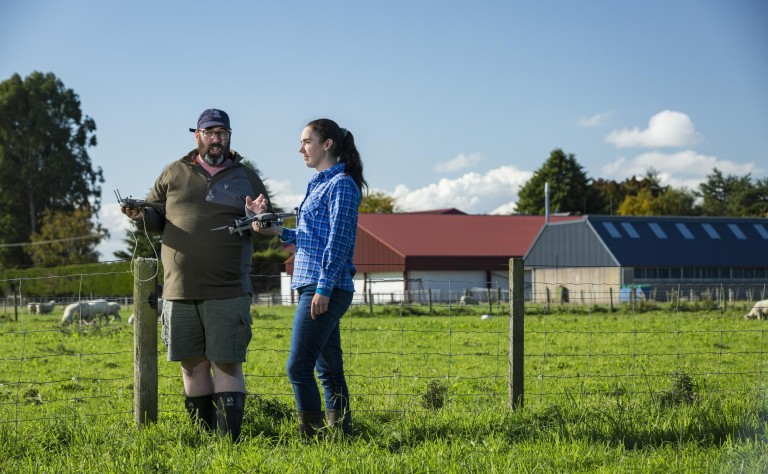
This resource was created and developed by Lauren Roberts, Farms Educational Facilitator for the Faculty of Agriculture and Life Sciences.
Disclaimer: Every effort is made to ensure that information in this publication is correct at the time of printing, but the content may be subject to change. Lincoln University reserves the right to make changes, amendments or deletions – including the withdrawal of materials– should circumstances change. Lincoln University does not assume, and hereby disclaims, any express or implied liability whatsoever to any party for any loss or damage caused by errors or omissions, whether these errors or omissions result from negligence, accident or any other cause.