

Protecting Trust: The Future of New Zealand’s Food Advantage
26 August 2026 | Events
Explore what it will take to maintain New Zealand's reputation as a trusted producer of safe food.
About
New Zealand's reputation as a producer of safe, high-quality food is one of our greatest competitive advantages. It underpins consumer confidence, supports billions of dollars in exports and reflects decades of investment in science, regulation, industry leadership and environmental stewardship.
Yet maintaining that trust, security and sovereignty is becoming increasingly complex. Emerging animal and plant diseases, changing environmental conditions, growing global trade, evolving consumer expectations, changing business operations and rapid advances in technology are reshaping how we produce, protect and verify the integrity of our food.
Recent events, including the global spread of avian influenza, serve as a reminder that safeguarding New Zealand's food systems requires more than strong border controls. It depends on collaboration across science, government, industry, iwi and communities, supported by innovation, surveillance and the ability to respond quickly to emerging threats.
This Frontline Forum will bring together leaders from across these sectors to explore what it will take to maintain New Zealand's reputation as a trusted producer of safe food. Together they will discuss the challenges ahead, the opportunities presented by new technologies and how we continue to strengthen the provenance, integrity and resilience that give New Zealand food its value—both at home and around the world.
Wednesday 26th August 2026
10.00am-11.30am
Teams Webinar
About our panellists
 Moderator: Prof Amanda Black, Lincoln University
My research area is in environmental soil chemistry and biochemistry, focusing on the health of soil ecosystems. My current areas of focus are understanding the relationship between gene expression and soil productivity such as carbon storage; halting kauri dieback through discovery of disease suppressive traits in soils; and focusing on biosecurity and climate change issues that are of concern to Maori and indigenous communities. I am the director of Bioprotection Aotearoa which is a national centre of research excellence (CoRE) that collaborates across 11 partner organisations across New Zealand. It conducts innovative research framed by Māori values, to develop approaches that make our productive and valued ecosystems resistant and resilient in the face of increasing threats from pathogens, pests, and weeds, which are exacerbated by climate change.
I have a strong background in incorporating mātauranga Māori and facilitating inter-team interactions and collaborations. In 2019 I received the Te Tupu-ā-Rangi Award for Health and Science at the Matariki Awards, Māori Television. In 2018 I was awarded the MPI NZ Biosecurity Award (AsureQuality - Emerging Leader). I have recently held Ministerial appointments with the Department of Conservation, Ministry for the Environment, Ministry of Education, and Ministry of Primary Industries.

Susie Robertson, Kaibosh Food Rescue and Aotearoa Food Rescue Alliance
Susie has more than 13 years’ experience working in the not-for-profit sector, with a background spanning youth health and development, social marketing and community development across charitable and government organisations. She is Chief Executive/Kaiārahi of Kaibosh Food Rescue, where she leads the organisation’s work to tackle food waste and food poverty by rescuing quality surplus food and connecting it with communities across the Greater Wellington region.
Susie is also co-chair of the Aotearoa Food Rescue Alliance, supporting collaboration across the food rescue sector and advocating for stronger, more connected food systems. She serves on the board of Environment Hubs Aotearoa and contributes to food safety policy through her involvement with a Ministry for Primary Industries working group. Her work brings together community development, environmental sustainability and practical food system solutions, with a strong focus on creating positive outcomes for both people and the planet.
 Melanie Mark-Shadbolt, Te Tira Whakamātaki
Melanie Mark-Shadbolt (Ngāti Kahungunu ki Wairarapa, Ngāti Porou and other iwi affiliations) is Deputy Secretary Tūmatakōkiri (Māori Rights & Interests) at the Ministry for the Environment. With more than a decade of leadership experience, she is a recognised expert in biodiversity, indigenous environmental governance and Māori rights. Melanie is also Chief Executive of Te Tira Whakamātaki, a Māori environmental charity and home of the Māori biosecurity network, working to advance Treaty-centred biosecurity and indigenous solutions to environmental challenges. She also serves on a number of national science, conservation and governance boards.
 Deputy Director-General Vincent Arbuckle, Ministry for Primary Industries
Vincent Arbuckle leads New Zealand Food Safety at the Ministry for Primary Industries, overseeing the systems, standards and regulatory frameworks that help ensure New Zealand’s food is safe, trusted and internationally recognised. With extensive experience in public sector leadership, compliance and risk management, Vincent works with government, industry and communities to strengthen food safety, support consumer confidence and protect the reputation of New Zealand’s food system.
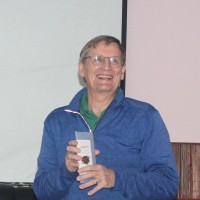 Dr Kerry Mulqueen, Poultry Industry Association of New Zealand & Egg Producers Federation
Dr Kerry Mulqueen is a veterinary and technical specialist with extensive experience in poultry health, disease management, and industry preparedness. Through his work with the poultry sector, Kerry provides technical expertise on animal health challenges, including emerging disease risks such as avian influenza. He brings a practical understanding of the systems, science, and collaboration required to support a resilient and trusted food supply.
Get the livestream link
Register here


